
Tara - Electrical & Computer Engineering
Tara completed a 3-month stay at The University of Osaka in Minamikawa Lab, focusing on the development of SHG microscopes for fibrosis diagnosis.
The opportunity to contribute to an ongoing research project, work alongside academics, and present findings in a research-focused environment provided a level of depth and exposure that is unique to this program. It gave me a clearer understanding of professional expectations in academia and advanced technical roles, which I would not have gained to the same extent otherwise.
Motivations
What motivated you to apply for the program and complete your BE/ME placement in Japan?
I was particularly motivated to apply for an international engineering placement as part of my Masters because I was keen to undertake a research-focused project rather than a traditional industry placement. Having previously completed a semester-based exchange, I had experienced the value of living and learning in a different environment, and I was eager to pursue a similar opportunity that aligned with the timeframe and structure of my degree. I chose The University of Osaka due to its strong global reputation and the opportunity to work within the Molecular Photonics for Medicine Laboratory. The project on developing a Second Harmonic Generation (SHG) microscope for liver fibrosis analysis closely aligned with my interests in biomedical engineering and medical imaging. It provided a unique opportunity to contribute to a technically challenging and clinically relevant research area, particularly through developing calibration and imaging software for an advanced optical system.
Post-graduation, I have been considering a pathway in academia alongside industry, and this placement was an important opportunity to explore that direction. I was hoping to gain insight into the nature of research work, build technical and problem-solving skills in a laboratory setting, and better understand whether a research-oriented career would be a good fit for me..
Personal Development
How have you developed as a person throughout this experience?
This experience provided significant personal development, particularly in terms of independence, adaptability, and communication. Moving to a non-English speaking country and working within a research laboratory exposed me to a very different cultural and professional environment. The differences in communication styles and working practices required me to be more proactive in how I approached problems and collaboration.
In the lab, while support was available, it was not always easy to access immediate help due to language barriers and differing workflows. This encouraged me to work more independently, take ownership of problems, and develop stronger problem-solving skills. I often needed to thoroughly research and understand technical challenges on my own before seeking assistance, and when I did ask for help, I had to communicate my ideas clearly and precisely to ensure others could understand the issue. This significantly improved my ability to articulate complex technical concepts.
Outside of the lab, living in a country where I did not speak the language was initially challenging, particularly for everyday tasks. However, this pushed me to become more adaptable and resourceful, building confidence in navigating unfamiliar situations. Overall, the experience has helped me grow into a more independent, resilient, and self-directed individual, both personally and professionally.
Academic Development
How have you developed academically, and what opportunities did you have that helped you realise this development?
This placement provided strong academic development through applying theoretical knowledge in a real research setting. My project focused on calibrating and developing the imaging pipeline for an SHG microscope, where the hardware had already been designed by another student. This was similar to team-based project courses at UQ, but with the added complexity of working within an existing system. I had to first understand the problem in depth, identify the gaps in functionality, and then determine and implement the steps required to achieve a working solution.
A key aspect of this experience was learning to engage with and build upon someone else’s design. This required me to critically evaluate prior design choices, understand their implications, and make informed decisions to complete and refine the system. It strengthened my ability to analyse complex systems, think holistically about hardware–software integration, and adapt my approach based on existing constraints.
Additionally, I developed a deeper understanding of optical imaging systems, signal acquisition, and data processing workflows, which I would not have gained through coursework alone. The open-ended nature of the project also enhanced my research skills, including problem scoping, iterative testing, and interpreting results in a meaningful way. Overall, this experience bridged the gap between academic theory and practical research application.
Professional Development
How about professional development? What opportunities did you have and exercise through this experience?
This placement provided valuable professional development, particularly in communication, technical capability, and working within a research environment. A key opportunity was presenting my work to academics and lab members in a formal setting at the conclusion of the project. This required me to clearly articulate complex technical concepts, justify my design decisions, and respond to questions in real time. It significantly strengthened my oral communication skills, as well as my ability to think critically and engage in technical discussion with an expert audience.
I also gained experience with new tools and technologies that I had not previously used, such as developing software components using environments like Visual Studio/installer workflows. Learning to navigate and apply these tools in the context of a real system (integrating with hardware, data acquisition, and imaging pipelines) enhanced my technical versatility and confidence in picking up unfamiliar technologies quickly.
These experiences were closely tied to the nature of the research placement and would have been difficult to replicate in a traditional coursework or industry setting. The opportunity to contribute to an ongoing research project, work alongside academics, and present findings in a research-focused environment provided a level of depth and exposure that is unique to this program. It gave me a clearer understanding of professional expectations in academia and advanced technical roles, which I would not have gained to the same extent otherwise.
Costs and Funding
How much was your total budget for the program, and how did this compare to your actual costs?
My total budget for the program was based on the New Colombo Plan (NCP) funding of $11,000, which I planned to use to cover all major expenses. This included around $2,000 for flights, approximately $750 for three months of accommodation, and the remaining funds allocated towards weekly living costs such as food, transport (around $100 per week), and some weekend travel. Overall, my actual spending aligned well with my initial expectations, and I was able to remain comfortably within budget.
In Osaka, the general cost of living was quite manageable. Food was relatively affordable, particularly when shopping locally or eating at casual restaurants, and public transport across the city was efficient and reasonably priced. These factors made it easier to maintain consistent weekly expenses without exceeding my planned budget.
In addition [to the NCP grant], I received a small grant from The University of Osaka, which further supported my stay. Overall, I was not required to contribute out of pocket, and the combination of these funding sources made the placement financially accessible and manageable.
Accommodation
What accommodation options were there and how did you manage?
Accommodation was very well organised and straightforward. I did not need to source or arrange housing myself, as a place in an on-campus dormitory was secured for me by the UOsaka team. This made the transition much easier, particularly as an international student.
The dormitory was highly convenient and affordable, and I stayed there for the entire duration of my placement. It was located only a five-minute walk from my lab, which made day-to-day routines very efficient. The room itself was well-equipped, with a private ensuite and a small kitchen, providing a comfortable and independent living environment.
Highlights
What were your top three highlights of the experience?
Some of the highlights of my experience were both academic and cultural.
Firstly, having the opportunity to work at Osaka University in a cutting-edge research lab was a major highlight, allowing me to contribute to a meaningful project in biomedical imaging and gain exposure to a different academic environment.
Secondly, living in Japan provided a unique cultural experience. Outside of my research, I was able to spend weekends exploring different parts of the country, which added a valuable personal dimension to the placement.
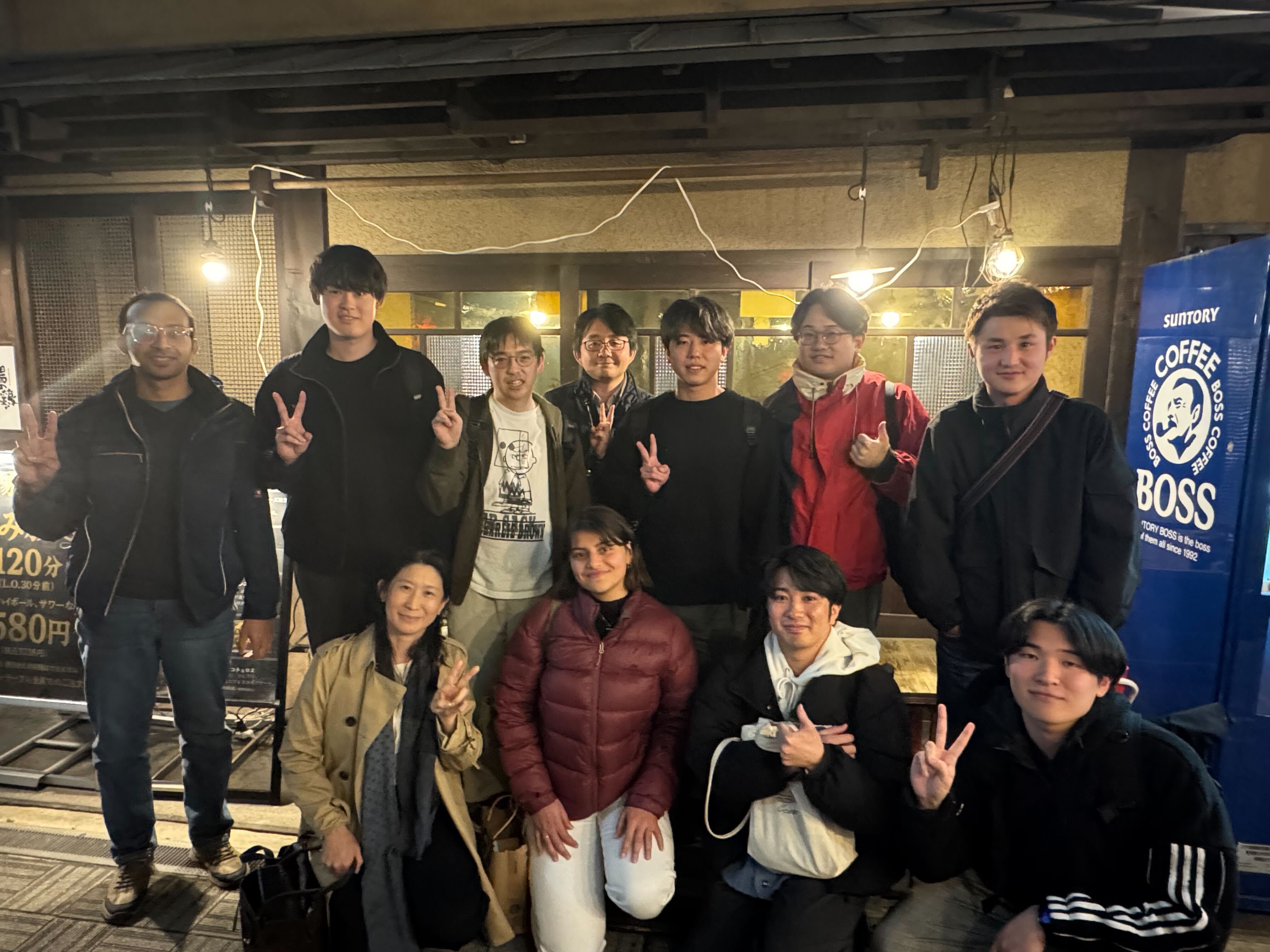
Finally, building connections within the lab was a key part of the experience. Spending time with labmates, whether through discussions at work or going out for meals together, allowed me to learn more about local culture and receive great recommendations, making the overall experience both professionally and personally rewarding.
Advice/tips for future applicants
While it may seem obvious, having some basic familiarity with Japanese beforehand would make a meaningful difference to day-to-day life. Even simple language skills can make navigating routine tasks and settling into the environment much easier.
Additionally, if your project involves building on existing work (as mine did), it is very helpful to gather as much background information as possible before arriving. A significant portion of my time at the start was spent understanding the existing system and the design decisions already made, before I could effectively plan and contribute my own work. Being better prepared in advance could help maximise the time available for meaningful progress.
It is also important to consider the nature and scope of the project. In my case, my ability to contribute was closely tied to being physically present in the lab, which limited opportunities to continue the work remotely after the placement ended. It may be beneficial to either select a project that allows for continued contribution beyond the placement period, or to ensure that the project has clearly defined and achievable deliverables within the timeframe.
Learn more about completing your BE/ME placement at The University of Osaka