
Preparing for practice in architecture, design and planning
How students can start building career confidence now.
EAIT Employability recently hosted the Building Your Career session for Architecture, Design and Planning students. featuring insights from Hannah Haysom, Practice Manager at Archipelago; Daniel Cocker, Senior Associate (Architect) at Archipelago; and Lyndel Smith, Senior People and Culture Consultant at Urbis.
Drawing on their experience across practice and recruitment, the speakers reflected on what it takes to build confidence and career readiness while still at university. While the session was tailored to Architecture, Design and Planning students, many of the insights are relevant across disciplines.
The discussion covered interviews, portfolios, networking, transferable skills, resilience and the role of AI in professional practice. A clear message throughout was that careers are rarely linear, and there is no single pathway into the profession.

Being yourself, professionally
Authenticity was a strong theme throughout the session. Professionalism was framed not as becoming someone else, but as presenting yourself with confidence in a professional setting.
In interviews, employers are looking beyond polished answers to how candidates communicate, build rapport and respond in the moment. Genuine enthusiasm and clear communication can often leave a stronger impression than a heavily rehearsed response.
Transferable skills matter
Valuable experience does not only come from formal industry roles. Part-time work, volunteering, extracurricular activities and leadership opportunities can all help build the skills employers look for.
Communication, teamwork, problem-solving, organisation and customer service can all be developed across many settings, including retail, hospitality and university clubs.
For those without direct industry experience, this was a reminder that employability is built in many different ways.
Networking can start with simple conversations
Attending events, asking questions, speaking with tutors, joining industry groups and following up after a conversation using platforms like LinkedIn can all help build professional connections.
In a field where relationships often shape opportunities, genuine interest and ongoing engagement can go a long way. In Brisbane’s relatively small professional community, those early connections can sometimes open unexpected doors.
Resilience is part of building a career
Not every application or interview will lead to an opportunity, and that often comes down to timing, team fit or business needs rather than a candidate’s ability.
These experiences were framed as part of the process, not a reflection of potential. Each interaction can still build confidence, strengthen communication and deepen understanding of the industry.
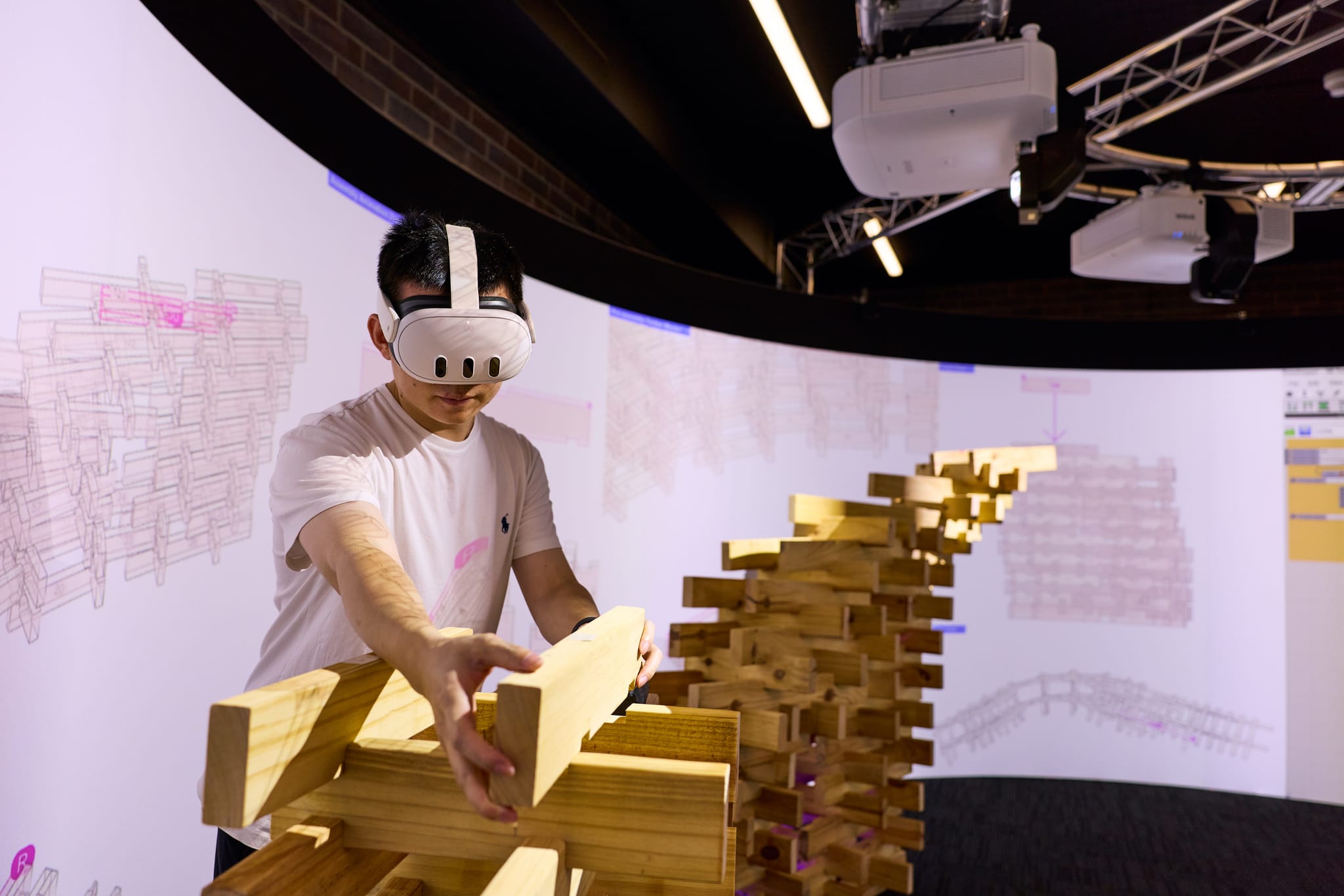
Understanding the role of AI in practice
AI is beginning to shape both recruitment and professional practice, making curiosity and adaptability increasingly important.
Students were encouraged to engage with emerging tools, understand their strengths and limitations, and apply critical thinking when using them. Staying open to learning will be key in a changing industry.
There is no single pathway
Careers develop in different ways, and early roles often act as stepping stones rather than final destinations.
For students in architecture, design and planning, building a career can start with small but meaningful actions such as attending events, asking questions, reflecting on experience and staying engaged with the industry.
Not sure where to start? The EAIT Employability team can support you with resume reviews, career advice and opportunities to connect with industry.