
Eight researchers from the Faculty of Engineering, Architecture and Information Technology (EAIT) have secured more than $8.6 million in Australian Research Council (ARC) Future Fellowships, supporting innovative research across artificial intelligence, advanced manufacturing, robotics, environmental engineering, sustainable energy and public health.
The funding will support projects addressing critical global challenges, from trustworthy artificial intelligence and advanced manufacturing to biohybrid robotics, clean energy, antimicrobial resistance and climate solutions.
Advancing trustworthy and responsible AI
- Dr Miao Xu from the School of Electrical Engineering and Computer Science received $1.17 million for Verifiable Data Deletion for Responsible Knowledge Discovery, which aims to develop new methods for verifying that data has been effectively removed from analytical systems without compromising the quality of knowledge discovery. The project will create practical tools and open benchmarks to help organisations manage, audit and trust their data, strengthening compliance and public confidence in data-driven innovation.
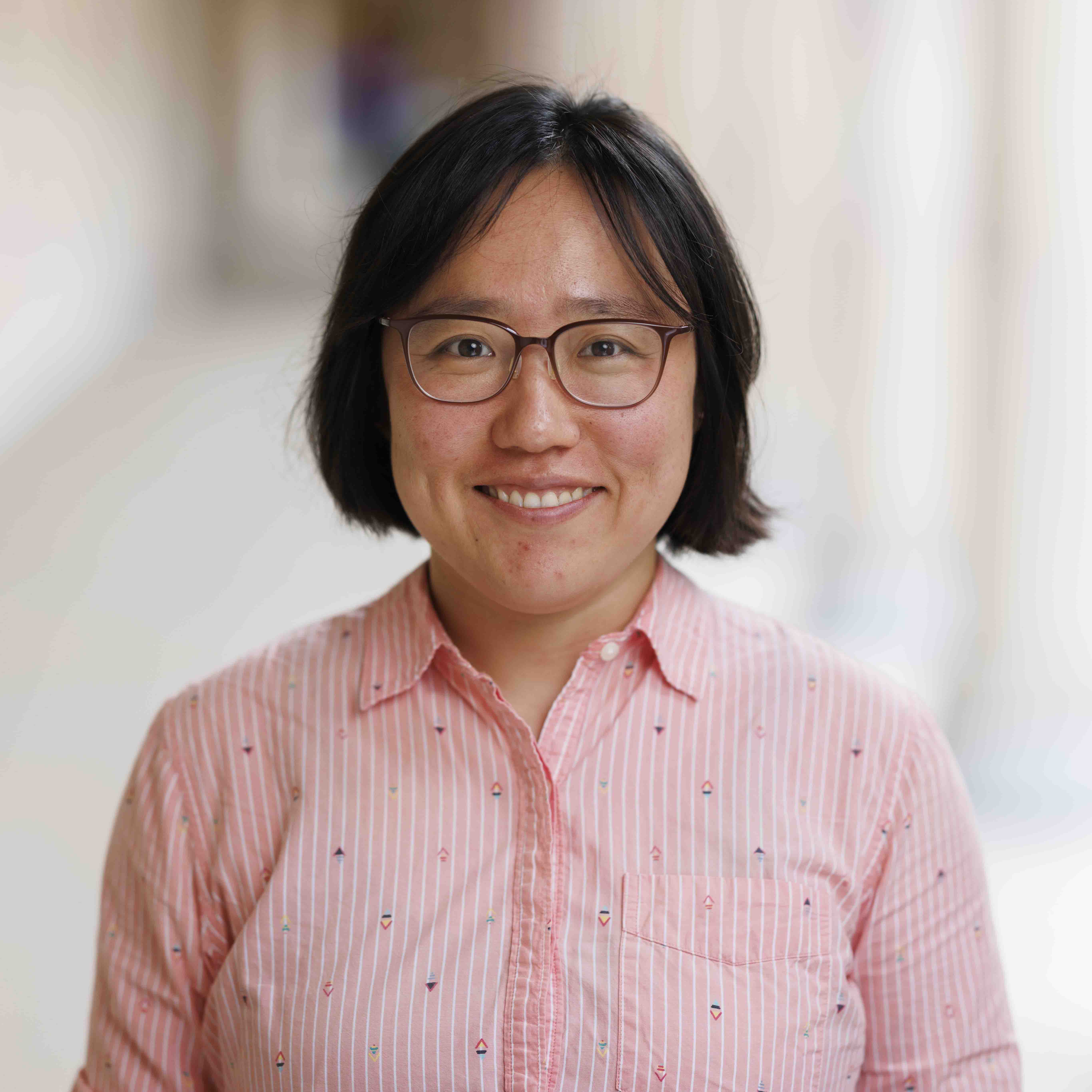
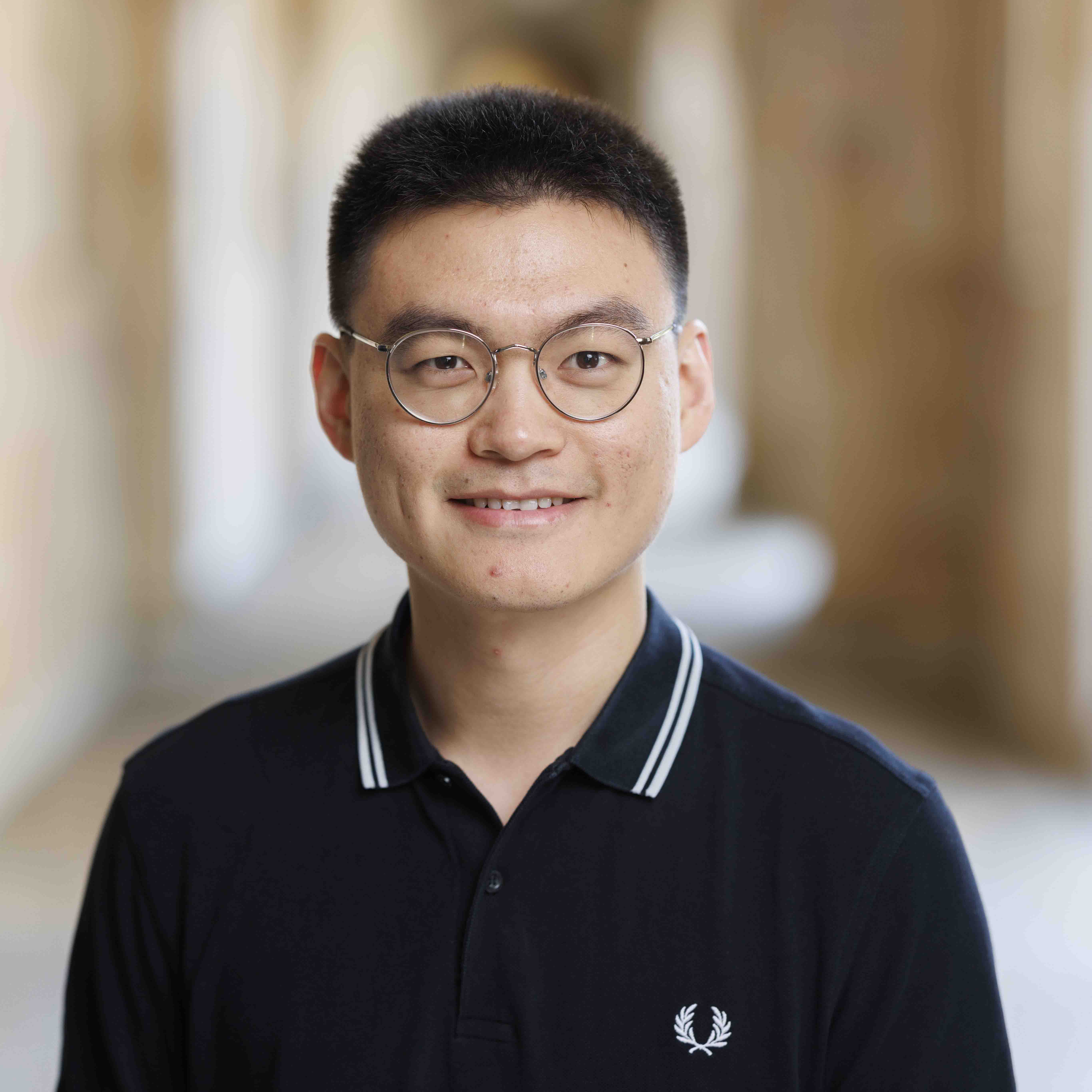
- Dr Rocky Chen from the School of Electrical Engineering and Computer Science was awarded $1.16 million for Advancing Fairness-aware Personalisation Algorithms. The research seeks to address bias in the recommendation and personalisation systems that underpin many online services, developing fairer, more transparent and more accountable AI technologies. The project will advance new approaches to fairness, scalability and interpretability, helping ensure personalised digital services deliver equitable outcomes across diverse user groups.
Advancing manufacturing and robotics innovation
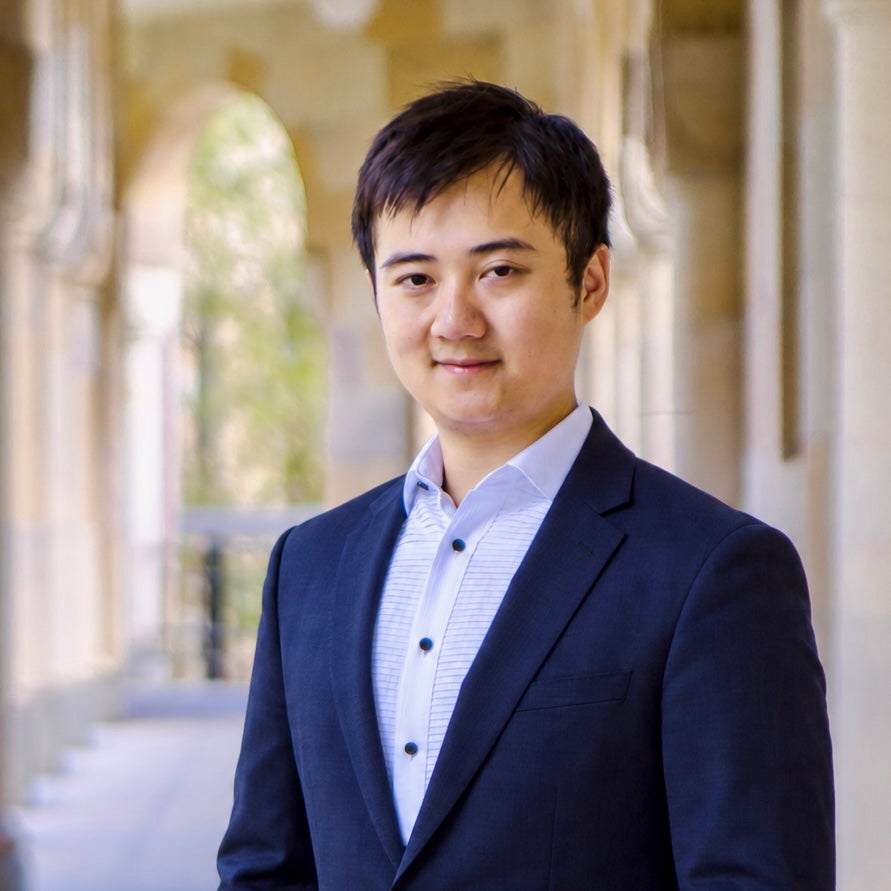
- Dr Qiyang Tan from UQ School of Mechanical and Mining Engineering secured $996,156 to develop novel ultrahigh-strength steels using additive manufacturing technologies. By leveraging the unique micro-melting and rapid cooling capabilities of metal 3D printing, the project aims to overcome long-standing embrittlement challenges in high-strength steels and deliver more sustainable, cost-effective materials for a range of industries.
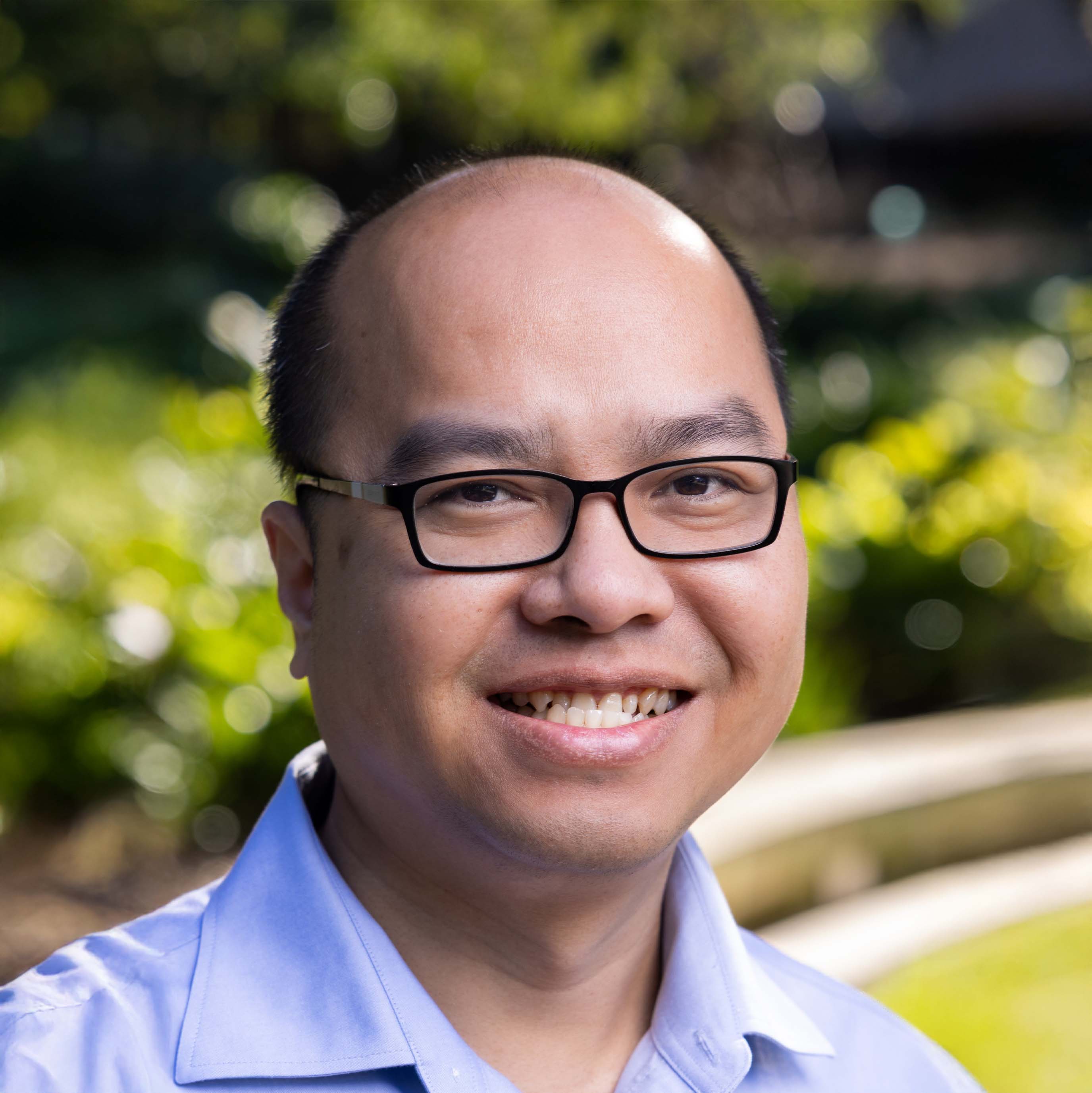
- Dr T. Thang Vo-Doan from UQ School of Mechanical and Mining Engineering received $1.01 million for Next-Gen Cyborg Insects: From Neuromechanics to Real-World Navigation. The project will investigate how insects sense instability and adapt their movements in complex environments to develop biohybrid robotic systems capable of operating in spaces inaccessible to conventional robots. Applications include search and rescue operations, environmental monitoring and disaster response.
Delivering solutions for sustainability, energy and health
- Professor Liu Ye from the School of Chemical Engineering received $1.33 million to develop an intelligent platform that uses advanced modelling to help water utilities reduce greenhouse gas emissions from wastewater treatment and support net-zero goals.
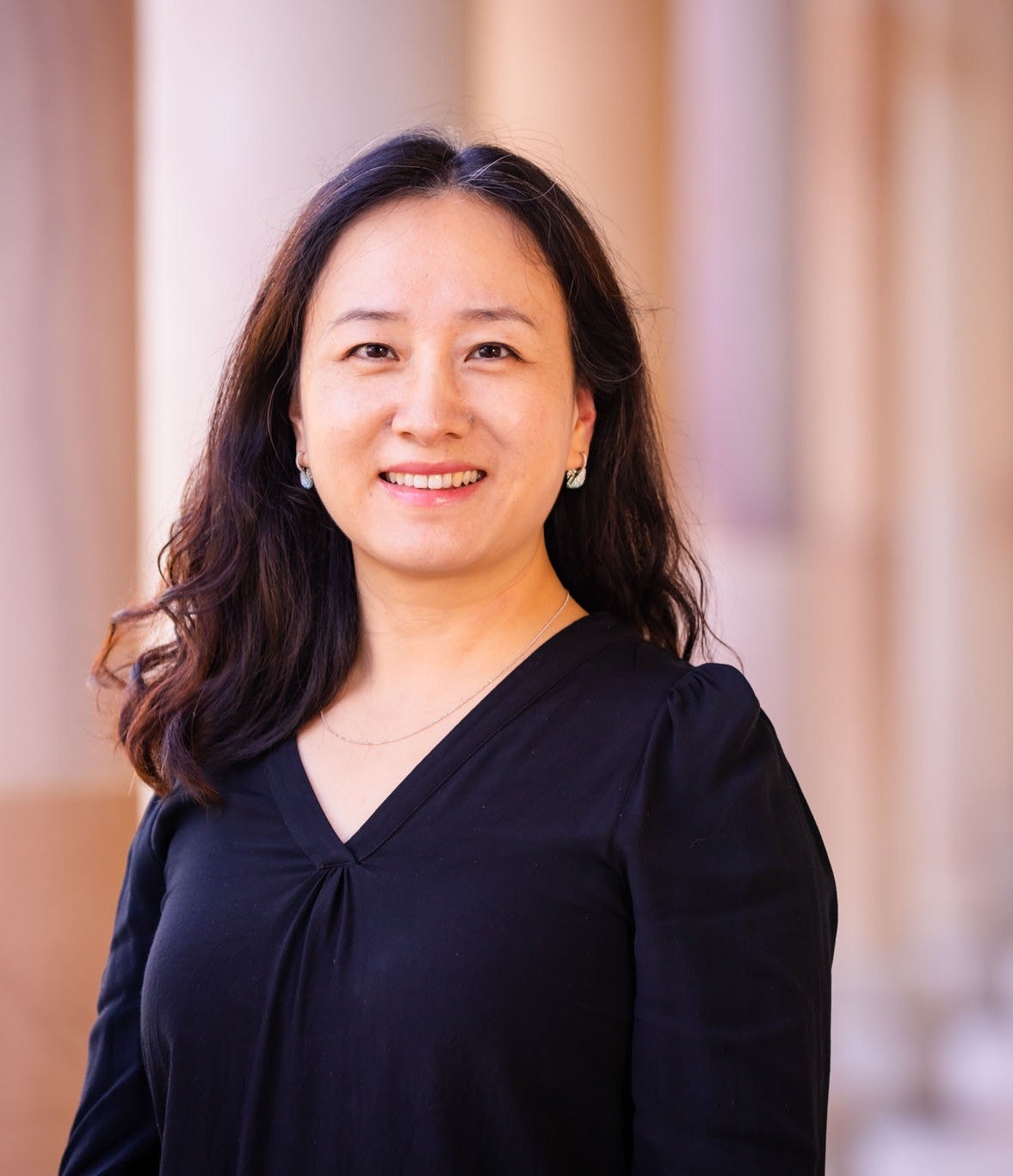
- Dr Rijia Lin from the School of Chemical Engineering was awarded $1 million to develop next-generation membranes for high-temperature hydrogen separation, helping overcome key challenges in scalable hydrogen production and low-emission manufacturing.
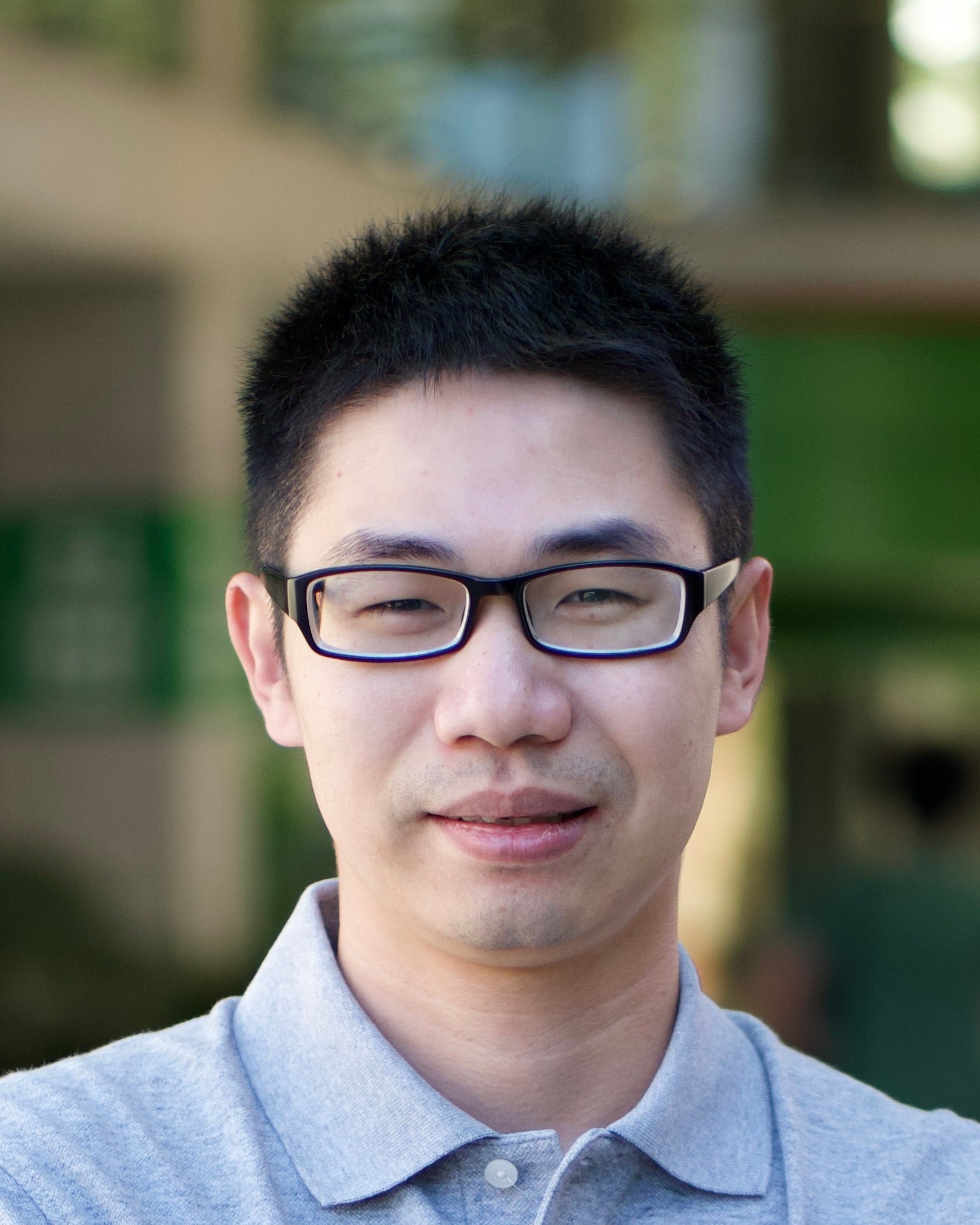
- Dr Ji Lu from the Australian Centre for Water and Environmental Biotechnology (ACWEB), secured $1.01 million to investigate how chemical mixtures influence antimicrobial resistance, using AI and microbiome science to identify emerging risks and strengthen Australia's capacity to respond to a growing global health challenge.

- Dr Haijiao Lu from the School of Chemical Engineering received $1 million to develop solar-driven catalytic technologies that convert propane and carbon dioxide into valuable chemicals, creating new opportunities for lower-emission chemical manufacturing.

Together, the eight fellowships demonstrate the breadth and impact of EAIT research, supporting discoveries that will advance digital technologies, strengthen sovereign manufacturing capability, accelerate the clean energy transition, improve public health outcomes and enhance environmental sustainability.
The ARC Future Fellowships scheme supports outstanding mid-career researchers undertaking innovative research that delivers economic, environmental and social benefits for Australia. Announced on 8 September, the Australian Government is investing more than $344 million nationally to support more than 290 Future Fellowship projects, recognising researchers whose work will help address some of Australia's most significant challenges.


